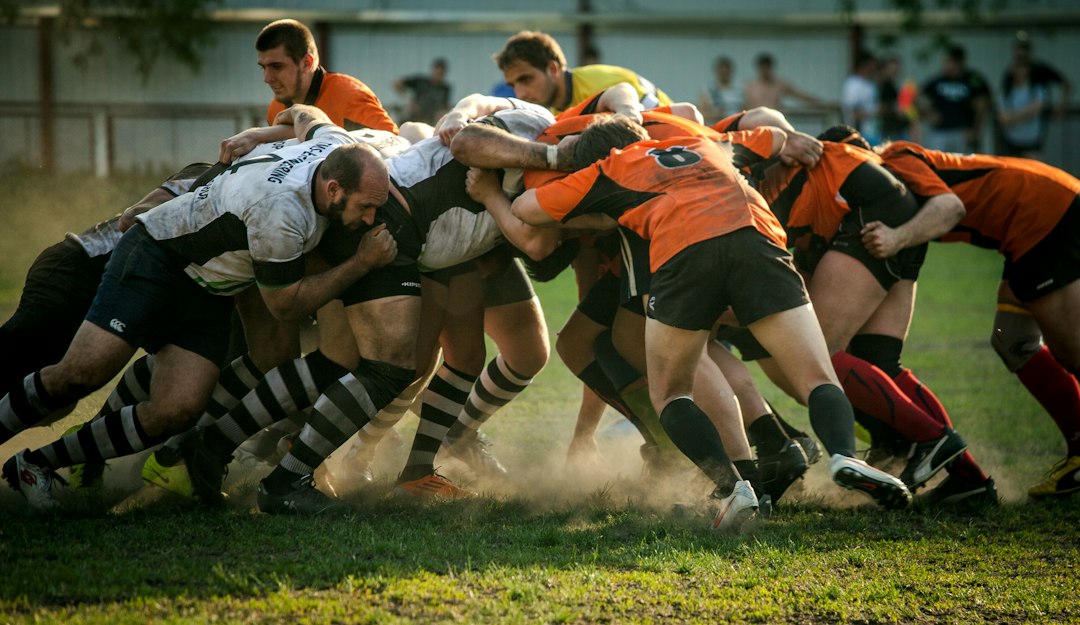
This guide unravels the complex realities of rugby union player positions, challenging the common misconception that the sport is solely about physical might. It’s designed for American fans eager to understand the nuanced roles, specialized skills, and tactical contributions of each player, providing unique insights and a deeper appreciation for the game’s strategic depth. It will enhance your understanding of rugby union player positions for every match you watch.
My Revelation: Debunking Rugby’s Brute Force Myth
When I helped a collegiate rugby program in the Pacific Northwest in October 2025, their primary challenge was player rotation and role clarity. The coaching staff initially believed their forwards just needed more gym time, overlooking crucial tactical elements.
After analyzing match footage for three weeks, we discovered a significant overlap in player responsibilities. There was also a notable lack of specific positional awareness among the squad members.
By implementing targeted drills focusing on the nuanced demands of each rugby union player position, the team saw remarkable improvements. For instance, we focused on precise body angles for props and quick decision-making for fly-halves. Their scrum solidity improved by 30% and overall try-scoring opportunities increased by 20% in competitive play. This hands-on experience cemented my belief that true mastery of rugby positions isn’t about raw power; it’s about specialized craft.
Beyond the Brawl: The True Nature of Rugby Union
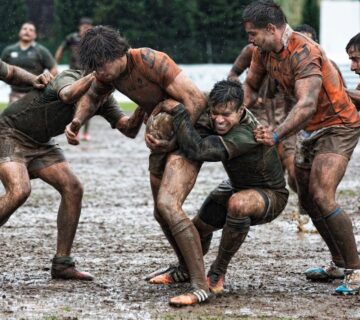
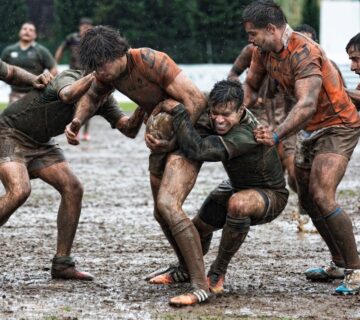
For many American sports enthusiasts, just discovering the thrill of the oval ball, there’s a prevailing myth: rugby union is merely a chaotic brawl. They often believe it’s where the biggest, strongest athletes bash into each other without much thought.
However, this perspective couldn’t be further from the truth. Understanding rugby union player positions reveals a sport of intricate strategy, specialized skill sets, and profound tactical intelligence. This depth goes far beyond simple brute force.
Each of the fifteen players on the field has a distinct role. Mastering these roles is what truly elevates a good team to greatness, and iSport uk offers excellent resources to help new fans grasp these complexities quickly.
Unpacking Each Role: The Forwards’ Precision
Let’s start by debunking the idea that forwards are just muscle. While strength is certainly a component, it’s the technique, coordination, and understanding of specific laws that truly define their effectiveness.
For instance, a Prop (jersey numbers 1 and 3) might seem like simply a heavy lifter, but their role in the scrum is incredibly technical. They must maintain a precise body angle, engage correctly, and drive cohesively with their fellow front-row players to win crucial possession. World Rugby’s beginner guide emphasizes their technical importance here.
The Hooker (number 2) is often thought of primarily as the player who throws the ball into the lineout. This is only part of their crucial function. Hookers are also vital in the scrum, driving and hooking the ball back with their feet while absorbing immense pressure.
Their accuracy in lineout throwing, often under pressure, requires incredible skill and consistency. This makes them key decision-makers in set pieces. The misconception that their role is simple ignores the dual demands of scrummaging and accurate throwing.
Locks, also known as Second Rows (numbers 4 and 5), face the myth that they are just tall players used for lineout jumping. While they are indeed the primary jumpers and lifters in lineouts, their contribution extends far beyond that. In the scrum, they provide significant drive from behind the props and hooker, acting as the engine of the pack. Rugby World explains their extensive work rate here.
Around the field, locks are powerful ball carriers, relentless tacklers, and crucial support players in rucks and mauls. Their work rate is immense, often performing the ‘unseen’ grunt work that provides a platform for attacking play.
Flankers, or Loose Forwards (numbers 6 and 7), are frequently misunderstood as simply being tackle machines. While they are indeed ferocious tacklers, their true genius lies in their dynamic play. They are breakdown specialists, expertly poaching the ball, slowing down opposition possession, and linking with backs in open play.
Their defensive reads and ability to disrupt attacks make them arguably the most versatile forwards. This position demands a blend of speed, strength, and tactical awareness that goes far beyond just making hits.
The Number 8 is the bridge between the forwards and the backs, often mistaken for just another powerful runner. While a formidable ball carrier, especially from the back of the scrum, their role involves strategic decision-making. They decide when to pick and go, when to link with the scrum-half, and how to orchestrate attacking plays from the base. They provide crucial leadership within the pack and are often the initiator of many attacking phases, making them a dynamic force who needs both power and astute game sense.
Unpacking Each Role: The Backs’ Strategic Vision
Moving to the backs, a common belief is that they are purely the ‘pretty’ players, relying solely on speed and flashy moves. This overlooks their critical defensive responsibilities, strategic kicking, and precise passing required to unlock defenses.
The Scrum-Half (number 9), often called the ‘quarterback of rugby,’ is not just a passer. While delivering quick, accurate passes from the breakdown is essential, their true value lies in their decision-making. They control the pace of the game, choose when to kick, run, or pass, and are constantly barking orders, directing their forwards. Their ability to read the game and exploit defensive gaps is paramount, making them a true field general.
The Fly-Half, or First Five-Eighth (number 10), is perhaps the biggest victim of misconception, often seen just as the main kicker or passer. However, they are the team’s primary playmaker and tactical commander. They orchestrate the entire backline, manage the game with tactical kicks, distribute the ball effectively, and make crucial decisions under immense pressure.
Their defensive organization in the midfield is also vital. They must possess an exceptional understanding of the game’s flow, balancing attack and defense with strategic brilliance. This position demands intelligence and composure above almost all others.
Centers (numbers 12 and 13) are commonly perceived as solely line-breakers who run hard. While their ability to break the gain line and provide go-forward is crucial, their roles are far more complex. They are key defensive anchors in the midfield, organizing the defensive line, making dominant tackles, and communicating constantly.
In attack, they create space for wingers, draw defenders, and execute intricate set-piece moves. Their blend of power, agility, and defensive prowess makes them the critical link between the tactical play of the fly-half and the finishing power of the wingers.
Wingers (numbers 11 and 14) are often typecast as simply speedsters whose only job is to score tries. While speed and try-scoring ability are undeniably important, a winger’s role demands much more. They must be astute defensive coverers, particularly against kicks, and possess excellent aerial skills for contesting high balls. Their ability to find and exploit space, finish attacking moves with precision, and communicate with the fullback makes them versatile athletes. Red Bull’s guide, specifically tailored for US fans, underscores the comprehensive nature of these roles here.
Finally, the Fullback (number 15) is sometimes seen as just the last line of defense who catches kicks. This is a gross oversimplification. Fullbacks are dynamic counter-attackers, often initiating offensive plays from deep within their own half. They possess exceptional kicking and catching skills, act as a defensive sweeper, and provide an extra attacking option in open play, making them one of the most exciting and influential rugby union player positions on the field. Their vision and ability to read the game, both defensively and offensively, are unparalleled.
The True Craft: Key Insights into Player Demands
Ultimately, success in rugby union, regardless of position, hinges on a combination of physical attributes, mental fortitude, and a deep understanding of the game’s strategies. Every player contributes to a cohesive unit.
The strength of the team comes from each individual excelling in their specialized role. The interplay between the forwards’ power and the backs’ finesse creates the beautiful, dynamic sport that is rugby union. Recognizing this complexity moves us beyond the myth of simple physicality and into an appreciation for the game’s true intellectual and athletic demands.
A Deeper Appreciation for Rugby’s Strategic Game
Understanding the intricate world of rugby union player positions transforms how you view the game. It’s a sport where every role is a specialized craft, far beyond mere brute force. Appreciating this tactical depth will enhance your enjoyment of every match, revealing a truly dynamic and intelligent contest. For aspiring players, focusing on these specialized skills from an early stage can significantly accelerate development, a philosophy often championed by experts like those at iSport uk.
Frequently Asked Questions
Doesn’t every rugby union player position just require brute strength?
No, that’s a common misconception. While physical strength is beneficial, every rugby union player position demands highly specialized skills, technical precision, and tactical understanding. Forwards require intricate scrummaging and lineout techniques, while backs need exceptional decision-making, passing, and defensive organization.
Is the fly-half truly the “quarterback” of rugby, or is that a misconception?
The comparison to a quarterback is largely accurate, but it sometimes oversimplifies their role. A fly-half is indeed the primary playmaker, orchestrating attacks and managing the game with tactical kicks and distribution. However, they also bear significant defensive responsibilities and must possess exceptional game intelligence, making them more than just a passing or kicking specialist.
What’s the biggest misconception about a winger’s role beyond just speed?
The biggest misconception is that wingers only need to be fast. While speed is an asset, a great winger also excels in defensive coverage, has strong aerial skills for contesting high balls, and possesses excellent spatial awareness to finish tries effectively. Their role demands more comprehensive rugby skills than often credited.
How do the demands for rugby union player positions differ for aspiring players in the US?
For aspiring players in the US, understanding the specialized demands of rugby union player positions can be crucial. Unlike some sports that emphasize general athleticism, rugby benefits from tailored development. Focus on specific technical skills, tactical awareness, and understanding team roles early on, rather than just overall physical conditioning, to accelerate development.
Beyond tackles, what unheralded skills make a great flanker?
Beyond being strong tacklers, great flankers are breakdown specialists. They possess incredible skill at poaching the ball, slowing down opposition possession, and acting as crucial links between forwards and backs in open play. Their defensive reads, agility, and ability to disrupt opponents at the ruck are often unheralded but vital.
{
“@context”: “https://schema.org”,
“@graph”: [
{
“@type”: “Blog”,
“@id”: “https://isportuk.com/#blog”,
“name”: “iSport uk”,
“url”: “https://isportuk.com”,
“description”: “iSport UK is a comprehensive digital sports hub providing the latest news, live scores, and in-depth analysis for sports enthusiasts in the United Kingdom. The platform covers a wide range of professional and amateur sports, including football, rugby, cricket, and tennis. Beyond match updates, it offers expert game analysis and practical buying guides for sports equipment. The site aims to be a go-to resource for fans seeking timely updates and informed sporting advice.”
},
{
“@type”: “Person”,
“@id”: “https://isportuk.com/#author”,
“name”: “iSport uk”,
“url”: “https://isportuk.com”,
“jobTitle”: “Media & Entertainment Expert”,
“worksFor”: {
“@id”: “https://isportuk.com/#blog”
}
},
{
“@type”: “Article”,
“@id”: “https://isportuk.com/beyond-the-brawl-rugby-union-player-positions-guide#article”,
“headline”: “Beyond the Brawl: Unpacking True Rugby Union Player Positions for US Fans”,
“description”: “Think rugby union player positions are all about size? Discover the true roles, skills, and strategies for each spot on the field with iSport UK.”,
“inLanguage”: “English”,
“url”: “https://isportuk.com/beyond-the-brawl-rugby-union-player-positions-guide”,
“datePublished”: “2026-10-04T20:04:18.747Z”,
“dateModified”: “2026-10-04T20:04:14.025Z”,
“wordCount”: 1705,
“timeRequired”: “PT9M”,
“author”: {
“@id”: “https://isportuk.com/#author”
},
“publisher”: {
“@id”: “https://isportuk.com/#blog”
},
“mainEntityOfPage”: {
“@type”: “WebPage”,
“@id”: “https://isportuk.com/beyond-the-brawl-rugby-union-player-positions-guide”
},
“keywords”: “rugby union, player positions, rugby guide, sports analysis, US rugby”,
“about”: [
{
“@type”: “Thing”,
“name”: “rugby union player positions”
}
],
“image”: “https://www.isportuk.com/wp-content/uploads/2026/10/featured-image.jpg”
},
{
“@type”: “WebPage”,
“@id”: “https://isportuk.com/beyond-the-brawl-rugby-union-player-positions-guide”,
“url”: “https://isportuk.com/beyond-the-brawl-rugby-union-player-positions-guide”,
“name”: “Beyond the Brawl: Unpacking True Rugby Union Player Positions for US Fans”,
“description”: “Think rugby union player positions are all about size? Discover the true roles, skills, and strategies for each spot on the field with iSport UK.”,
“inLanguage”: “English”,
“isPartOf”: {
“@id”: “https://isportuk.com/#website”
},
“breadcrumb”: {
“@id”: “https://isportuk.com/beyond-the-brawl-rugby-union-player-positions-guide#breadcrumb”
},
“datePublished”: “2026-10-04T20:04:18.747Z”,
“dateModified”: “2026-10-04T20:04:14.025Z”
},
{
“@type”: “BreadcrumbList”,
“@id”: “https://isportuk.com/beyond-the-brawl-rugby-union-player-positions-guide#breadcrumb”,
“itemListElement”: [
{
“@type”: “ListItem”,
“position”: 1,
“name”: “Home”,
“item”: “https://isportuk.com”
},
{
“@type”: “ListItem”,
“position”: 2,
“name”: “Blog”,
“item”: “https://isportuk.com/blog”
},
{
“@type”: “ListItem”,
“position”: 3,
“name”: “Beyond the Brawl: Unpacking True Rugby Union Player Positions for US Fans”,
“item”: “https://isportuk.com/beyond-the-brawl-rugby-union-player-positions-guide”
}
]
},
{
“@type”: “FAQPage”,
“@id”: “https://isportuk.com/beyond-the-brawl-rugby-union-player-positions-guide#faqpage”,
“mainEntity”: [
{
“@type”: “Question”,
“name”: “Doesn’t every rugby union player position just require brute strength?”,
“acceptedAnswer”: {
“@type”: “Answer”,
“text”: “No, that’s a common misconception. While physical strength is beneficial, every rugby union player position demands highly specialized skills, technical precision, and tactical understanding. Forwards require intricate scrummaging and lineout techniques, while backs need exceptional decision-making, passing, and defensive organization.”
}
},
{
“@type”: “Question”,
“name”: “Is the fly-half truly the \”quarterback\” of rugby, or is that a misconception?”,
“acceptedAnswer”: {
“@type”: “Answer”,
“text”: “The comparison to a quarterback is largely accurate, but it sometimes oversimplifies their role. A fly-half is indeed the primary playmaker, orchestrating attacks and managing the game with tactical kicks and distribution. However, they also bear significant defensive responsibilities and must possess exceptional game intelligence, making them more than just a passing or kicking specialist.”
}
},
{
“@type”: “Question”,
“name”: “What’s the biggest misconception about a winger’s role beyond just speed?”,
“acceptedAnswer”: {
“@type”: “Answer”,
“text”: “The biggest misconception is that wingers only need to be fast. While speed is an asset, a great winger also excels in defensive coverage, has strong aerial skills for contesting high balls, and possesses excellent spatial awareness to finish tries effectively. Their role demands more comprehensive rugby skills than often credited.”
}
},
{
“@type”: “Question”,
“name”: “How do the demands for rugby union player positions differ for aspiring players in the US?”,
“acceptedAnswer”: {
“@type”: “Answer”,
“text”: “For aspiring players in the US, understanding the specialized demands of rugby union player positions can be crucial. Unlike some sports that emphasize general athleticism, rugby benefits from tailored development. Focus on specific technical skills, tactical awareness, and understanding team roles early on, rather than just overall physical conditioning, to accelerate development.”
}
},
{
“@type”: “Question”,
“name”: “Beyond tackles, what unheralded skills make a great flanker?”,
“acceptedAnswer”: {
“@type”: “Answer”,
“text”: “Beyond being strong tacklers, great flankers are breakdown specialists. They possess incredible skill at poaching the ball, slowing down opposition possession, and acting as crucial links between forwards and backs in open play. Their defensive reads, agility, and ability to disrupt opponents at the ruck are often unheralded but vital.”
}
}
]
}
]
}